Flat vs. Single-Ply Roof Installation: Which Is Right for Your Building
People searching for flat or single ply roof installation are typically looking to choose the best roofing option for their building, and local contractors can help them compare and select the right solution.
Choosing the right roofing system can significantly impact the durability, maintenance, and overall functionality of a building’s roof. Property owners exploring flat vs. single-ply roof installation often seek practical insights to determine which option aligns best with their specific needs. Whether managing a commercial property or a residential complex, understanding the differences in materials, installation methods, and long-term performance can help make an informed decision. Local contractors specializing in flat and single-ply roofing can provide tailored advice and professional installation services, ensuring the chosen system meets both structural and budget considerations.
As property owners evaluate their roofing options, it’s important to consider factors like climate, building design, and future maintenance needs. Flat roofs are known for their affordability and ease of access, making them popular in many applications, while single-ply roofing offers advantages in flexibility and weather resistance. Exploring these practical aspects with experienced service providers can clarify which system is most suitable for a particular building. Keep reading to get a clearer picture of how these roofing options compare and how local pros can assist in making the best choice for your property.
- Flat roof installation - suitable for buildings requiring a cost-effective, easy-to-maintain roofing option where local contractors can provide durable, seamless solutions.
- Single-ply roof installation - ideal for structures seeking a lightweight, energy-efficient roof, with service providers offering flexible membrane options for various building types.
- Flat roof installation - often chosen for commercial or industrial buildings, with local pros focusing on proper drainage and long-lasting waterproofing techniques.
- Single-ply roof installation - recommended for new construction or roof replacements where contractors emphasize quick installation and minimal disruption.
- Flat roof installation - best for buildings with a low slope, with local service providers customizing solutions to meet specific structural and weather resistance needs.
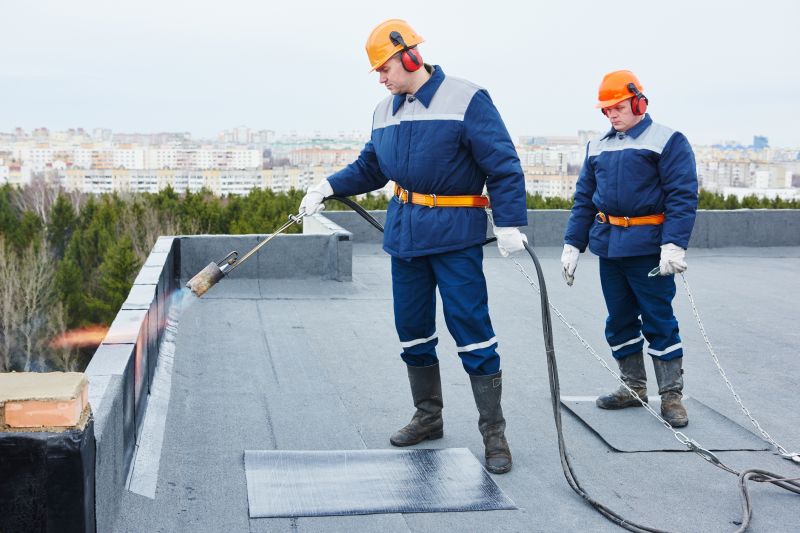
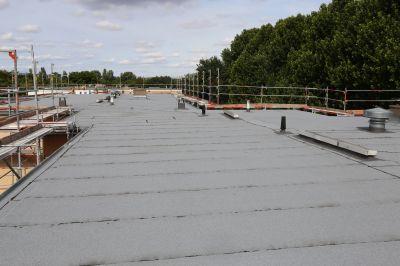
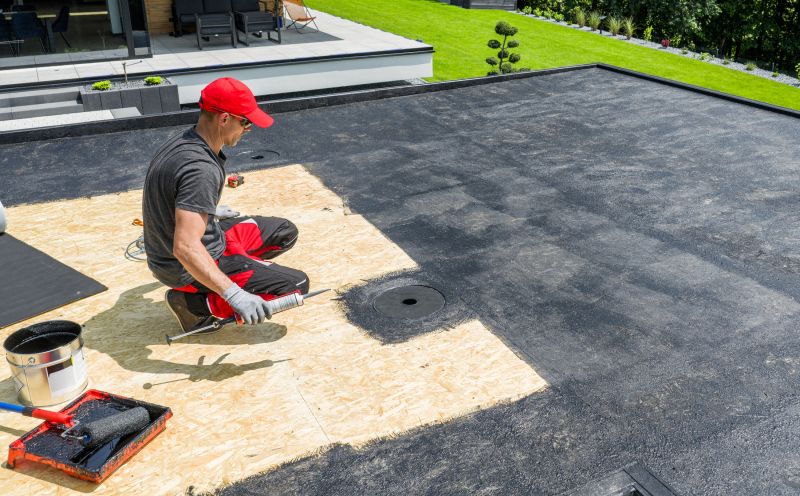
When homeowners search for information on flat vs. single-ply roof installation, they are often trying to understand which roofing system best suits their building's needs. This topic typically comes up during planning or renovation projects for commercial properties, industrial facilities, or even some residential buildings with flat or low-slope roofs. People are usually considering factors such as durability, cost, maintenance requirements, and the specific conditions of their property. Understanding the differences between these roofing options helps property owners make informed decisions about how to protect their structures effectively and which type of installation aligns with their long-term plans.
The decision between flat and single-ply roof installation relates closely to the types of problems or plans property owners might have. For example, a flat roof may be preferred for structures that require a large, unobstructed roof surface for equipment or future expansion. Conversely, single-ply roofing systems are often chosen for their ease of installation and flexibility, making them suitable for buildings that need a quick, reliable solution. These options also address common issues like leak prevention, weather resistance, and insulation needs. Local contractors experienced in both flat and single-ply roofing can evaluate a building’s specific conditions-such as roof slope, climate exposure, and existing structure-to recommend the best approach.
Properties that typically come up when discussing flat vs. single-ply roof installation include commercial warehouses, office buildings, apartment complexes, and some institutional facilities. These structures often have large, flat or low-slope roofs that require specialized systems to manage water runoff and durability. Residential buildings with flat roofs or those seeking a modern aesthetic may also consider these options. The choice depends on factors like the building’s size, usage, and the local climate. Local service providers familiar with these types of properties can help evaluate the existing roof, identify potential challenges, and suggest appropriate roofing solutions that fit the property’s unique requirements.
Understanding how flat and single-ply roofing systems differ helps property owners visualize how these options fit into real projects. Flat roofs are generally constructed with materials like built-up or modified bitumen, providing a heavy-duty, long-lasting surface suited for larger commercial spaces. Single-ply systems, such as TPO, PVC, or EPDM, are lightweight, flexible, and often easier to install, making them attractive for buildings needing a quick upgrade or replacement. Local contractors specializing in both types can assess the building’s structure, climate considerations, and future plans to recommend the most suitable roofing system. This ensures that the chosen solution aligns with the building’s operational needs and long-term durability, helping property owners make the right choice for their specific project.
Commercial roofing projects - local contractors experienced in flat and single-ply roofing can assist with large-scale commercial installations and repairs, ensuring proper planning for different roof types.
Roof repair services - specialists who handle flat and single-ply roofs can evaluate existing roofing systems and recommend suitable repair solutions based on roof design and material.
Industrial roofing projects - industrial buildings often require durable roofing options; local service providers can help determine whether flat or single-ply systems are best suited for heavy-duty needs.
Roof replacement projects - experts in roof replacement can guide building owners on transitioning between flat and single-ply roofing materials, considering building structure and usage.
Green roofing installations - professionals skilled in different roofing systems can integrate green or rooftop features with flat or single-ply roofs for optimal performance.
Emergency roof repair services - local contractors can quickly address urgent issues on flat or single-ply roofs, minimizing damage and restoring protection efficiently.
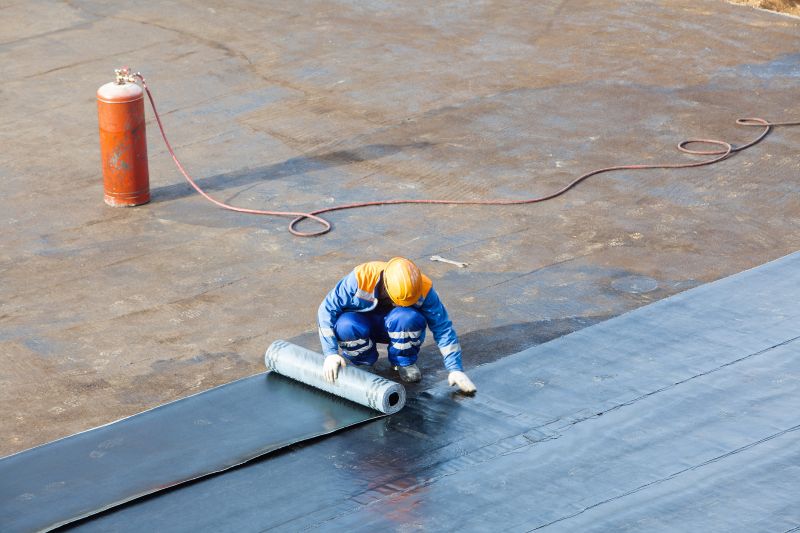
When comparing contractors for flat versus single-ply roof installation, it’s important to consider their experience with similar projects. Homeowners should inquire about the types of roofing systems the service providers have installed in the past, especially those involving flat or single-ply membranes. Contractors with a proven track record in handling these specific roofing options are more likely to understand the nuances and potential challenges, ensuring that the installation aligns with the building’s needs and conditions. Asking for examples of completed projects or references from previous clients can provide insight into their expertise and familiarity with the different roofing materials and techniques involved.
Clear written expectations are essential when evaluating local contractors for flat or single-ply roof installation. Homeowners should seek detailed proposals that outline the scope of work, materials to be used, and the projected process. A transparent plan helps prevent misunderstandings and ensures that both parties have aligned expectations from the outset. It also allows homeowners to compare bids effectively and assess whether the contractor’s approach matches their building’s requirements. Well-defined documentation can serve as a reference point throughout the project, fostering clarity and accountability.
Effective communication and reputable references are key factors in choosing the right service providers for flat versus single-ply roof installation. Homeowners should look for contractors who are responsive, willing to answer questions, and able to explain their methods clearly. Reputable references or reviews from previous clients can offer valuable insights into the contractor’s professionalism, reliability, and quality of work. Good communication helps ensure that any concerns or changes can be addressed promptly, contributing to a smoother installation process. When local pros demonstrate transparency and a history of satisfied clients, it provides confidence that they can deliver a roofing solution suited to the building’s specific needs.
Property owners often search for flat vs. single-ply roof installation: which is right for your building when they are planning practical projects around their homes and businesses. Local pros provide Flat or Single Ply Roof Installation services for everyday jobs and straightforward project options.
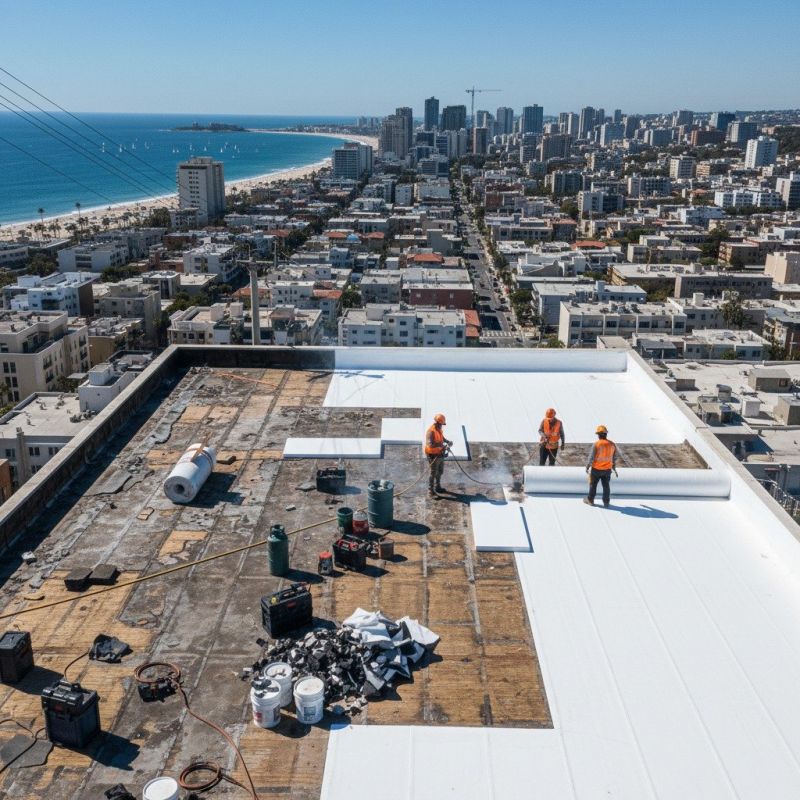
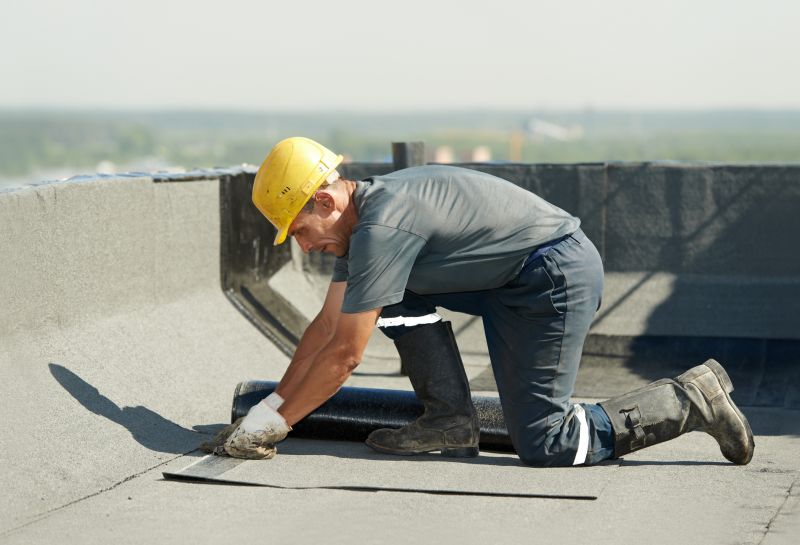
When property owners in the area consider flat versus single-ply roof installation, they often think about the specific needs of their building and the environment. Flat roofs are common on commercial structures and provide a spacious, accessible surface that can support HVAC units or solar panels. They tend to be straightforward to install and maintain, making them a practical choice for many property owners looking for durability and ease of access. Local contractors experienced in flat roof installation can help determine if this option aligns with the building’s design, usage, and long-term maintenance plans.
On the other hand, single-ply roof systems are popular for their lightweight nature and flexible installation options. They are often chosen for their ability to create seamless, weather-resistant surfaces that can adapt to different roof shapes and sizes. Property owners searching for a reliable, low-maintenance roofing solution may find that single-ply roofing suits their needs well. Local service providers specializing in single-ply roof installation can assist in evaluating whether this approach fits the building’s structure, budget, and performance expectations.
What are the main differences between flat and single-ply roof installation? Flat roof installation typically involves a thick, built-up surface with multiple layers, while single-ply roofing uses a single layer of membrane material. Local contractors can help determine which method suits your building’s structure and needs.
Which type of roof is more durable for commercial buildings? Single-ply roofs are generally known for flexibility and resistance to weathering, whereas flat roofs can offer long-lasting performance with proper maintenance. Service providers can advise on the best option based on your building’s usage and location.
Are flat or single-ply roofs easier to maintain? Single-ply roofs often require less maintenance due to their seamless membrane, but flat roofs may need regular inspections to prevent debris buildup. Local roofing experts can provide tailored maintenance recommendations.
Can a building's design influence the choice between flat and single-ply roofing? Yes, building design, including slope and structure, can impact which roofing type is suitable. Local pros can assess your building and suggest the most appropriate installation method.
What factors should be considered when choosing between flat and single-ply roof installation? Factors include durability, waterproofing needs, building type, and climate. Consulting with local contractors can help identify the best roofing solution for your specific building requirements.
Assessing building needs - Property owners can evaluate their building’s size, usage, and existing roof structure to determine whether a flat or single-ply roof installation suits their needs best, with guidance from local contractors.
Considering climate and weather factors - Local service providers can advise on how climate conditions may influence the durability and performance of flat versus single-ply roofing options for different environments.
Evaluating long-term maintenance - Property owners might explore maintenance requirements for each roofing type, with local pros providing insights on upkeep and repair needs over time.
Matching budget and project scope - Local contractors can help property owners choose between flat and single-ply roof installation based on project size and budget considerations, ensuring practical decision-making.
If you are thinking about flat vs. single-ply roof installation: which is right for your building for a property, this guide is meant to help you understand this topic, the typical project types, and how different options might fit your plans.
When you are ready, you can use the quote form on this page to share a few details about your project. From there, local pros can review the basics and follow up with options that match what you have in mind.